
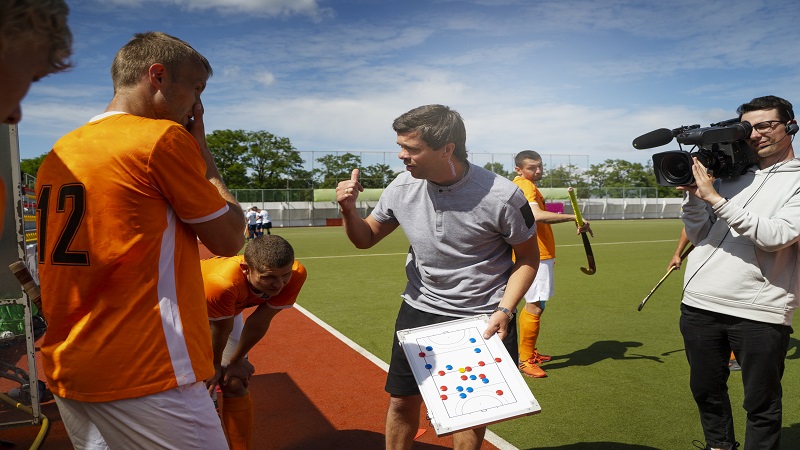
Sports conversations have changed. Fans no longer debate only who won or lost—they analyze how victories were built and where games slipped away. From advanced metrics to tactical breakdowns, modern sports coverage relies heavily on data. But data alone isn’t enough. Without clarity, even the most accurate statistics lose their impact.
That’s why visual storytelling has become such a powerful part of sports media. Tools like the pie chart maker allow analysts and writers to convert raw numbers into visuals that instantly communicate meaning.
Why Distribution Tells the Real Story
In sports, performance is rarely evenly spread. One player may dominate scoring, one unit may control possession, or one tactic may account for most success. Distribution-based data helps reveal these truths, and pie charts are particularly effective at showing them.
A quick visual can demonstrate whether a football team’s goals come from open play or set pieces, or whether a basketball team relies more on perimeter shooting than interior scoring. These insights are far more intuitive when seen rather than read.
Helping Fans Understand the Game More Deeply
Not every fan wants to dive into advanced analytics, but most want to understand why things happen. Visual charts bridge that gap. They make deeper analysis accessible without oversimplifying the message.
When readers can instantly see how responsibility or production is shared across a team, discussions become more informed. Debates shift from opinions to evidence, enriching the overall fan experience.
A Valuable Tool for Sports Writers
For sports writers and editors, visuals enhance credibility. Supporting analysis with clear data visuals strengthens arguments and keeps articles engaging. Readers are more likely to trust conclusions when they can see the numbers behind them.
Visuals also improve readability. Instead of long explanations, a single chart can communicate a complex idea efficiently, keeping the article flowing smoothly.
Applications Across Different Sports
The usefulness of pie charts extends across nearly every sport:
- Football: goal sources, possession phases, defensive actions
- Basketball: scoring breakdowns, usage rates, lineup contributions
- Baseball: pitch selection, run production by inning
- Hockey: ice-time distribution, scoring responsibility
Each example benefits from visual clarity that highlights proportional relationships.
Better Engagement and Shareability
Visual content performs better across digital platforms. Articles that include clear data visuals tend to attract more engagement and are easier to share on social media. Fans are more likely to discuss and reference content that presents insights visually.
This makes visuals not just informative, but strategic for growing readership and influence.
Avoiding Common Visualization Mistakes
Effective visuals require restraint. Too many segments, unclear labeling, or poor color choices can reduce clarity. The best charts focus on a single idea and support the narrative without overwhelming the viewer.
When used intentionally, pie charts enhance understanding rather than distract from it.
Conclusion
As sports analysis continues to evolve, clarity will remain essential. Visual tools help transform statistics into insights that fans can quickly understand and trust.
By combining thoughtful analysis with strong visual presentation, sports content becomes more engaging, more credible, and far more impactful—bringing fans closer to the game through understanding, not just emotion. See more